 SeaMemo
Seasickness when sailing: prevent it, treat it, adapt life aboard
Seasickness happens when your eyes and your balance organ send conflicting signals. What helps most is a mix of preparation (well rested, a light meal, no alcohol the night before) and behaviour aboard: stay on deck, look at the horizon, take on a task. Medication can help but should be discussed with a doctor or pharmacist beforehand.
Note: these tips do not replace medical advice. If you have health conditions, are pregnant or take regular medication, talk to a doctor or pharmacist before the trip.
Why you get seasick
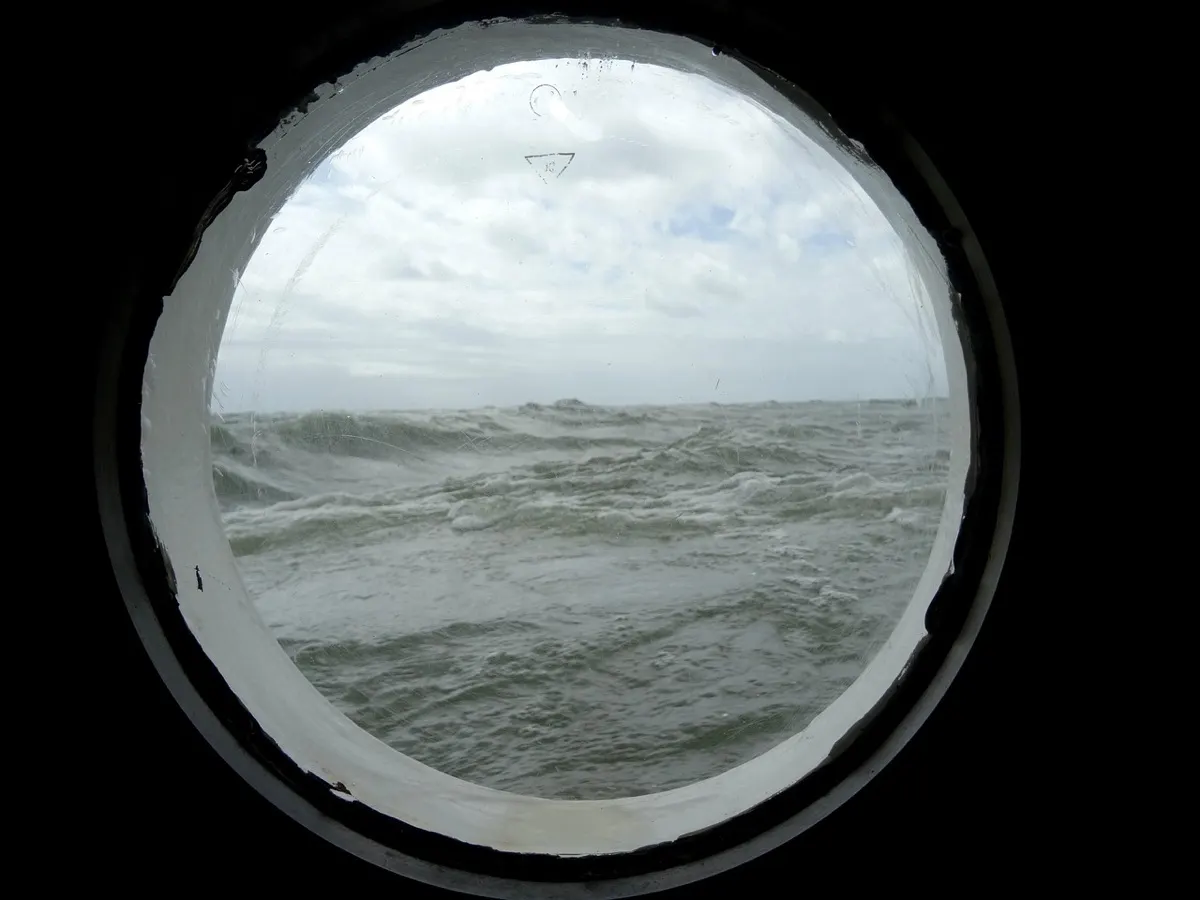
Below deck your eyes see a still room, but the balance organ in your inner ear reports motion. This mismatch triggers nausea, dizziness, tiredness and headaches. It affects beginners and experienced sailors alike. If you struggle reading in a car, you are often more sensitive at sea too.
Prevention before the trip
- Arrive well rested. Tiredness makes symptoms worse.
- Eat light the day before, little fat, no alcohol the night before.
- Some sailors avoid histamine rich foods such as salami, hard cheese, tinned tuna, sauerkraut or red wine beforehand and take vitamin C as a precaution. Whether it helps you is best found out by trying.
- Put on an acupressure band if you know you are sensitive.
- If you are badly affected, clear medication beforehand and test it once at home, not at sea.
Think about seasickness when you book
- A catamaran hardly heels and is steadier than a monohull.
- Sheltered areas with islands and short passages are kinder than open sea.
- For beginners: plan with a skipper and shorter legs.
- Tell the crew beforehand if you are prone. The skipper can plan watches and tasks accordingly.
How to behave on board
- Stay on deck and breathe fresh air.
- Fix your eyes on the horizon. Then eyes and inner ear agree again.
- Stay amidships, where the motion is smallest.
- Don't read and don't stare at your phone.
- Take the helm if you can. Steering lets you anticipate the motion, and having a job distracts you.
- Stay warm and dry. Being cold makes nausea worse.
- Breathe calmly. Stress and fear make everything worse.
The forecast tells you how much sea to expect before you cast off. The Beaufort scale shows which waves go with which wind force.
Food and drink at sea
- Small portions, several times a day
- Carbohydrates and little fat: rusks, pretzel sticks, bread, dry biscuits
- Fresh fruit and vegetables, raw carrots, light soups
- Tea: chamomile, peppermint, ginger
- Enough water, in small sips
- Better avoided: coffee, black or green tea, alcohol, fatty food
Tip: put the snacks straight on the shared shopping list. In SeaMemo you create a trip list for that, which the whole crew can tick off.
Remedies and medication
| Remedy | How it is meant to work | Keep in mind |
|---|---|---|
| Ginger (tea, capsules, sweets) | herbal, settles the stomach | well tolerated, effect varies |
| Acupressure band | pressure on the P6 point on the wrist | no side effects, effect disputed |
| Antihistamines, e.g. dimenhydrinate | dampen the signals | available without prescription in many countries, effective, but cause drowsiness. Don't helm when drowsy |
| Scopolamine patch | strong effect over several days | prescription only in many countries, only after medical advice, test at home first |
When it has already happened
- Go on deck straight away and look at the horizon.
- Take the helm if possible, or get a specific task.
- Keep warm and lie down amidships.
- Small sips of water, dry bread or rusks.
- Being sick is not a disaster. Many people feel better afterwards.
- Use the leeward side, but only clipped on with a harness and never alone on deck.
When it gets serious: someone who vomits heavily for hours and can barely keep fluids down loses a dangerous amount of water. That is the time to head for the nearest harbour and get medical help.
The tips offline in the app
All tips from this article are in SeaMemo in the Cabin under seasickness tips, together with an overview of safety on board (man overboard, fire, leaks, distress calls, crew briefing). Both work offline, exactly when you need them. Learn more about the app in the features overview.
Seasickness remedies belong on your packing list, right next to sun cream and a head torch. The complete list for the trip is in the guide sailing packing list.
Get SeaMemo for free
Logbook, travel journal and crew in one app. For iPhone and Android, works offline at sea.


Frequently asked questions
How long does seasickness last?
For most people the symptoms ease noticeably after one to three days at sea as the body gets used to the motion. After a day in harbour it can start again.
Where on the boat is it calmest?
Amidships and as low as possible, close to the centre of gravity. The bow moves the most.
Does ginger help against seasickness?
Ginger is often recommended and is considered soothing for the stomach. The evidence is mixed, but many sailors have good experiences with it as tea, capsules or sweets.
When should you head for a harbour?
When someone has been vomiting heavily for a long time and can barely keep fluids down. Dehydration at sea is serious, especially in the heat.
Are catamarans better for seasickness?
A catamaran hardly heels and often feels steadier than a monohull. If you know you are prone to seasickness, a catamaran and sheltered waters are usually the better choice.